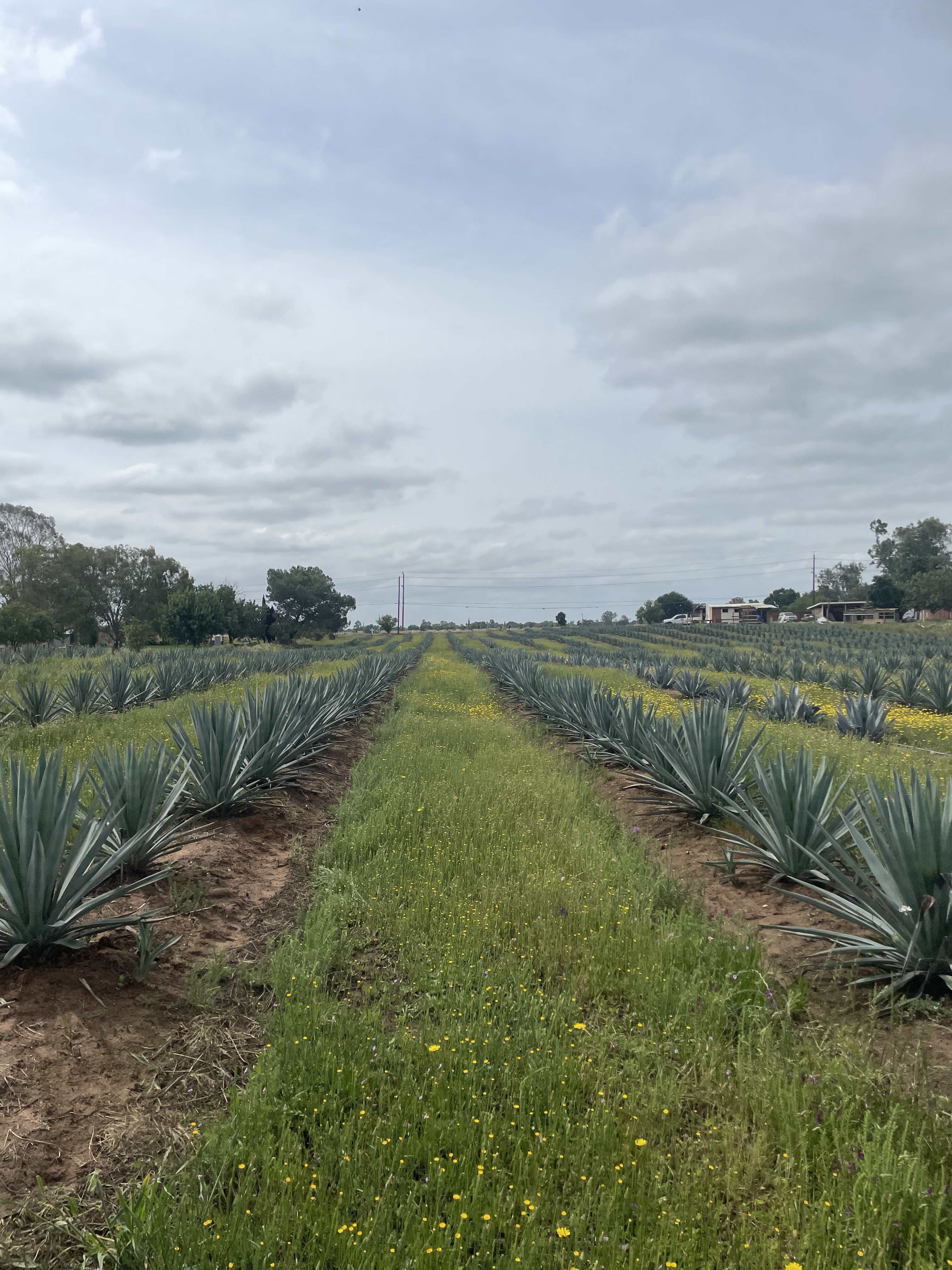
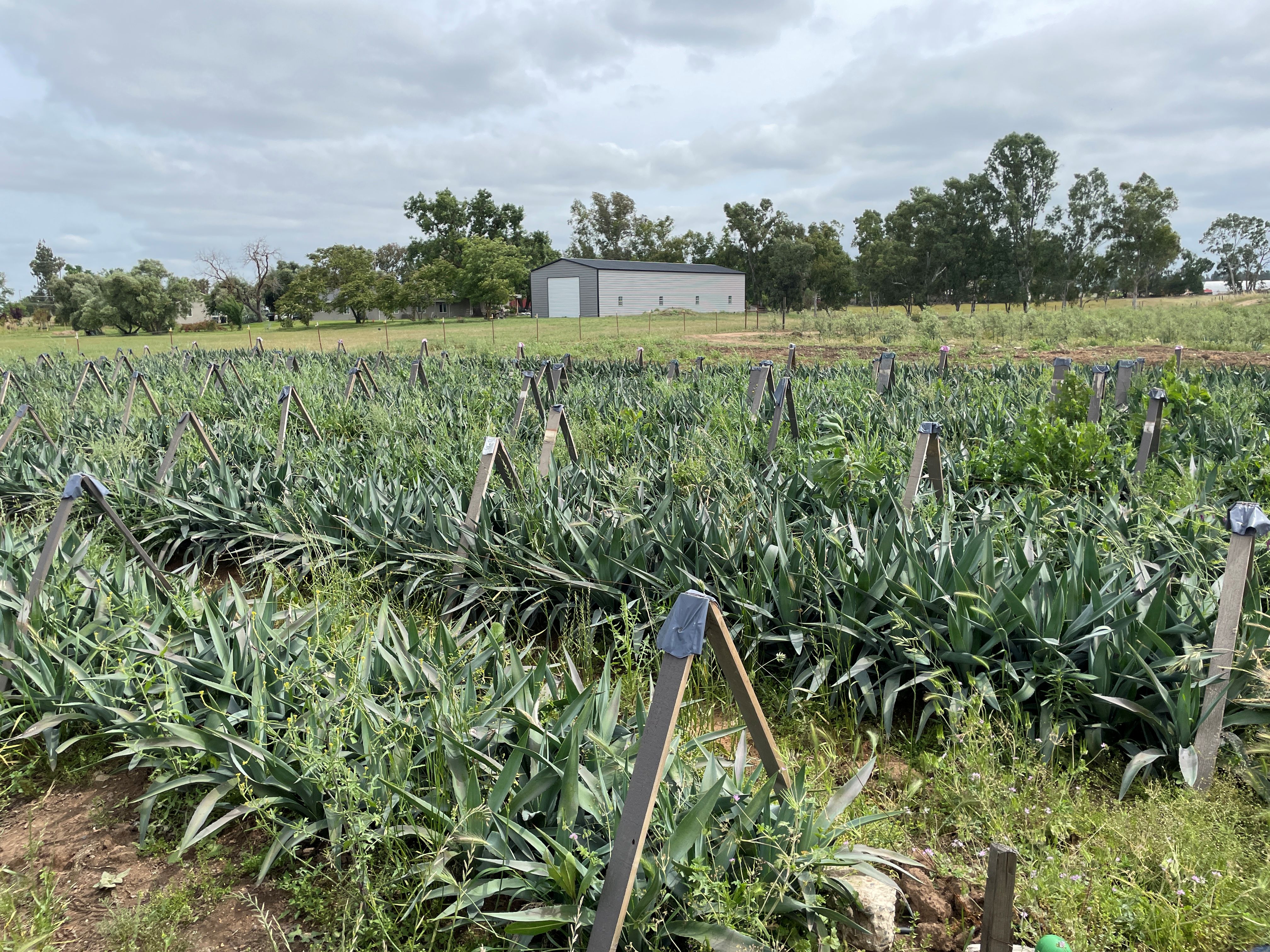
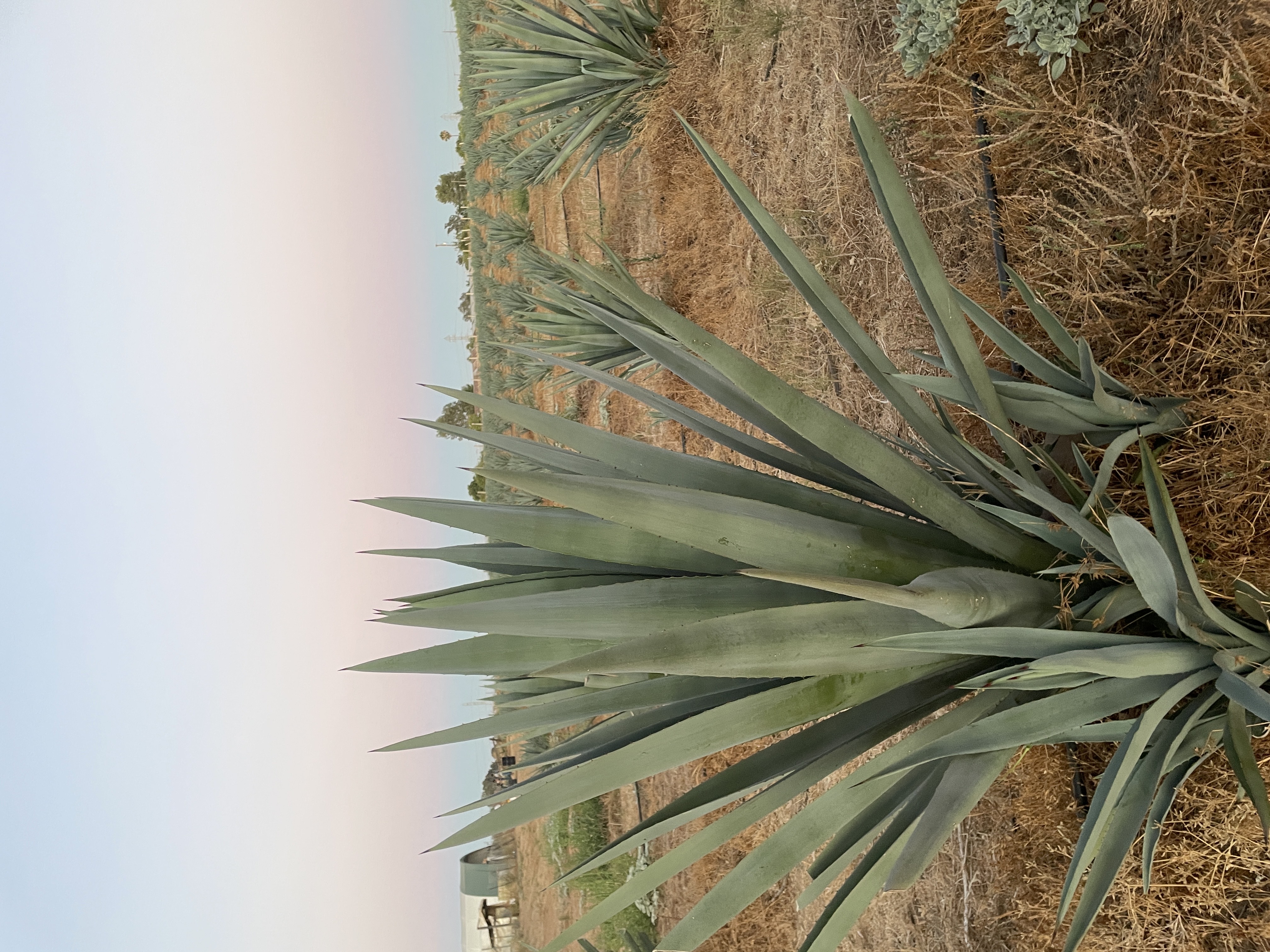
At MarinFarms, we hold a deep passion for our Blue Agave plants. For centuries, agave has played a vital role in the development of Mesoamerican civilization and later gave rise to the rich culture of tequila we know and love today. Cultivating agave is a meticulous process—one that requires expertise, care, and a deep respect for the nutrients, protection, and attention these remarkable plants need.
Agave has shared a long history with humanity. For over 10,000 years, agave helped Mesoamerican civilization to thrive and flourish in harsh Central America. The Spanish first invaded Mexico in 1519 and encountered agave for the first time. Mesmerized by the plants imposing appearance and importance, they regarded the plant as "the tree of wonders".
The wonders of the agave did not cease to stop. As the Spanish learned more about the plant, they discovered pulque, a traditional fermented drink cherished by the indigenous people. Inspired by this discovery, they went on to develop mezcal—and eventually the world-renowned tequila we know today.
Propagation and initial growth
We collect offspring from mother plants with quality genetics.
Young plants remain in development beds for about a year, with controlled nutrition and intensive care.
They are fertilized according to the phenological stage with balanced products such as triple 20, amino acids, calcium and vitamins.
Transplantation and establishment
Transplanting seedlings to permanent growth beds.
First month of watering without fertilizers, promoting rooting.
Nutrition and seasonal management
From the second month onwards, weekly fertilization with adapted doses of nitrogen, phosphorus and potassium.
In winter, prune damaged leaves and apply preventative fungicides.
Phytosanitary control
Agave is virtually pest-free in our region due to the low temperatures.
The main risk is fungus, especially during periods of prolonged humidity. Therefore, we apply preventative treatments during the change of season (September and early winter) and after pruning.
Ripening and harvesting
If the destination is mezcal or tequila, final applications of potassium and molasses can be made to increase sweetness.
The complete maturity cycle is 6 to 8 years.
The distances between plants and rows can vary depending on the production objective. We use a reference of:
Between plants: 5 feet
Between rows: 8 to 9 feet, depending on equipment and weed management. These measurements can be adjusted for each project.